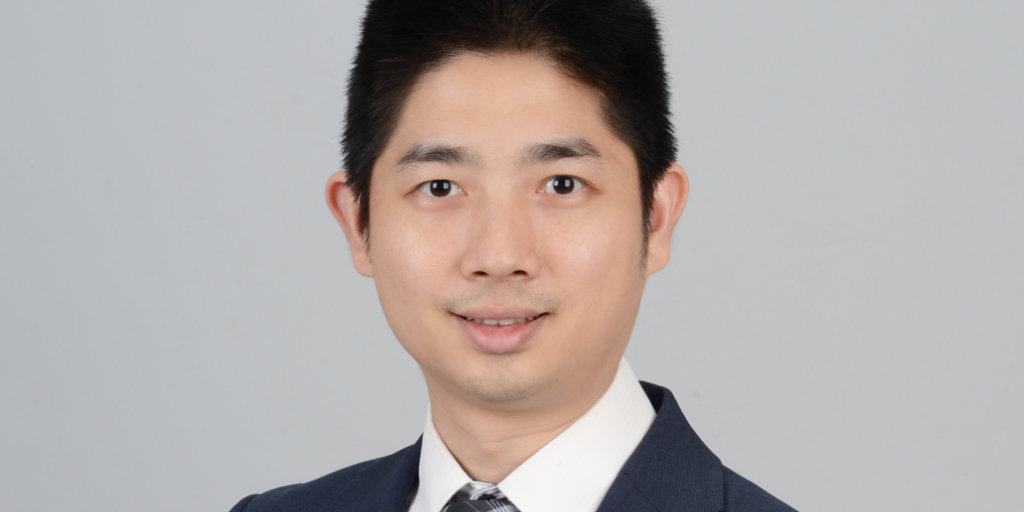
Dr Ge Peng, MD, PhD, Associate Professor at the Atopy Research Center, Juntendo University Graduate School of Medicine in Tokyo, Japan, has been named winner of the Rajka Medal and prize for 2026. He was selected from among four excellent applicants whose submissions originated from Indonesia, Ireland, Japan and Madagascar.
Dr Peng's research project focuses on understanding why the skin loses its ability to protect itself in atopic dermatitis, and why inflammation and itching tend to return even after treatment. He is particularly interested in the natural protective systems within the skin that help maintain a healthy barrier, limit unnecessary inflammation, and support recovery after injury or irritation.
Rather than concentrating solely on suppressing symptoms after they appear, Dr Peng's work aims to identify ways to strengthen these protective skin functions. He suggests that helping the skin restore its normal balance could lead to more lasting disease control, fewer repeated flare-ups, and less reliance on broad immune suppression. His stated long-term goal is to translate laboratory discoveries into practical approaches that improve both skin health and patients' daily lives.
Dr Peng began his academic career in dermatological research after receiving his medical degree from Southern Medical University in China. He went on to complete a master's degree at China Medical University and earned his PhD from Juntendo University. Following his doctoral training, he received a Postdoctoral Fellowship for Research Abroad/Young Scientists from the Japan Society for the Promotion of Science to further his work on atopic dermatitis.
His research centres on the mechanisms that maintain epidermal homeostasis and how disruptions to these mechanisms contribute to atopic dermatitis. His studies have shown that molecules traditionally regarded mainly as antimicrobial factors can also activate protective cellular pathways in keratinocytes, strengthen the epidermal barrier, and suppress atopic dermatitis-like inflammation.
Dr Peng's current research aims to define how epidermal autophagy coordinates barrier repair, immune regulation and neuro-immune communication, with the long-term goal of developing treatments that restore the skin's own protective and regenerative capacity.