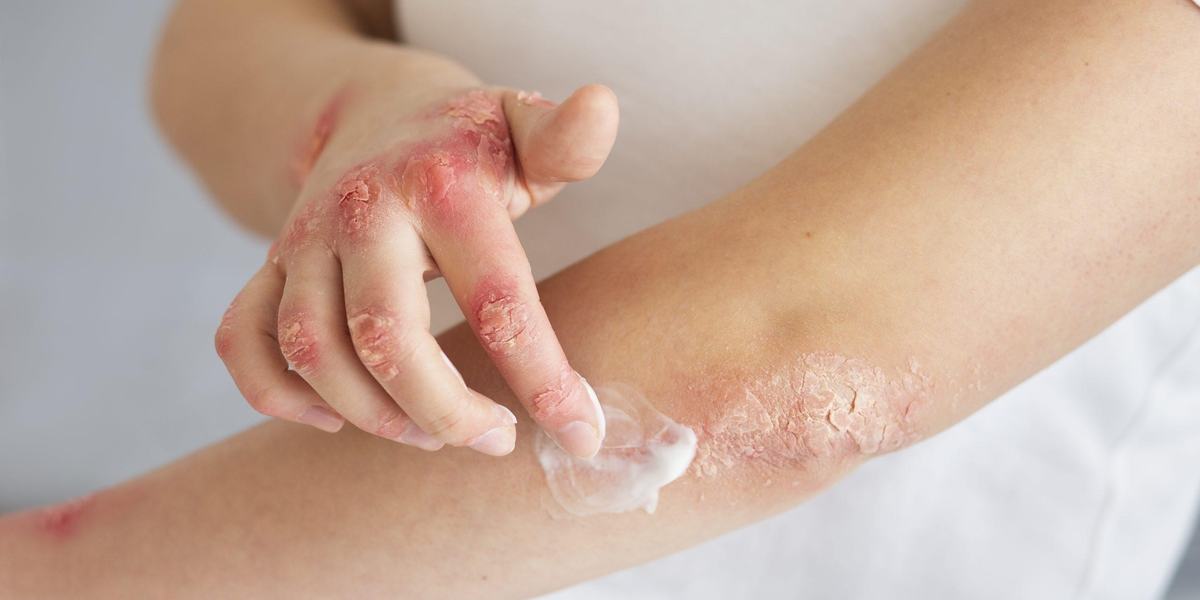
More than 100,000 Australians with eczema are expected to benefit from a new Pharmaceutical Benefits Scheme listing announced by the Australian Government.
From 1 October 2026, tacrolimus 0.1% ointment, marketed in Australia as Zematop, will be available through the PBS for eligible patients aged 16 years and older with moderate-to-severe eczema. The announcement is an important reminder that innovation in eczema care is not only about discovering completely new medicines. Sometimes a major difference for patients comes from making an established treatment financially accessible.
Tacrolimus ointment is a topical calcineurin inhibitor. Unlike topical corticosteroids, it does not cause steroid-related skin thinning and can be particularly useful on sensitive areas such as the face, eyelids and skin folds when clinically appropriate.
Topical calcineurin inhibitors are already well established in international eczema treatment guidelines. But whether patients can obtain them affordably varies between countries and healthcare systems. Australia's PBS listing changes that access equation for eligible patients. Under the Pharmaceutical Benefits Scheme, the Australian Government subsidises medicines so patients pay a much smaller contribution than the full private price. The government estimates that more than 100,000 Australians with eczema could benefit.
That is significant because out-of-pocket treatment costs accumulate quickly in a chronic disease. People living with eczema may regularly purchase moisturisers, prescription creams, dressings and other skin-care products while also paying for healthcare visits and, in some cases, systemic medicines. Financial burden is therefore part of the disease burden.
Reimbursement decisions can reduce that pressure and also change clinical practice by making recommended treatments realistically available to more people. The Australian announcement applies specifically to eligible people aged 16 years and older with moderate-to-severe eczema.
As with most reimbursement programmes, listing does not necessarily mean every person with eczema automatically qualifies. Still, the scale of the expected impact makes this a notable eczema access development.
It also illustrates why health-technology and reimbursement news belongs alongside drug-development news. A medicine can have strong scientific evidence, regulatory approval and years of clinical experience and still remain difficult for patients to use if it is unaffordable.
There is no new molecule and no dramatic Phase 3 headline here. Instead, there is something equally meaningful: a treatment becoming easier for patients to obtain.